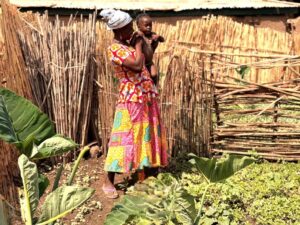
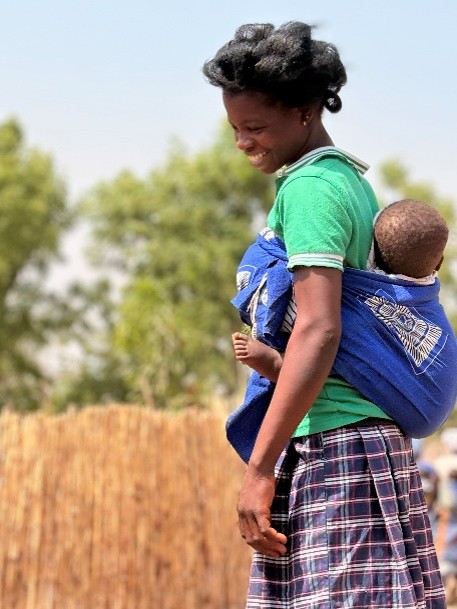
The agriculture sector in Tanzania is a key industry that accounts for 28% of GDP and generates approximately 65% of employment. The Ministry of Agriculture is promoting “agriculture as a business” and placing emphasis on improving the incomes of small-scale farmers, particularly through the enhancement of extension services.
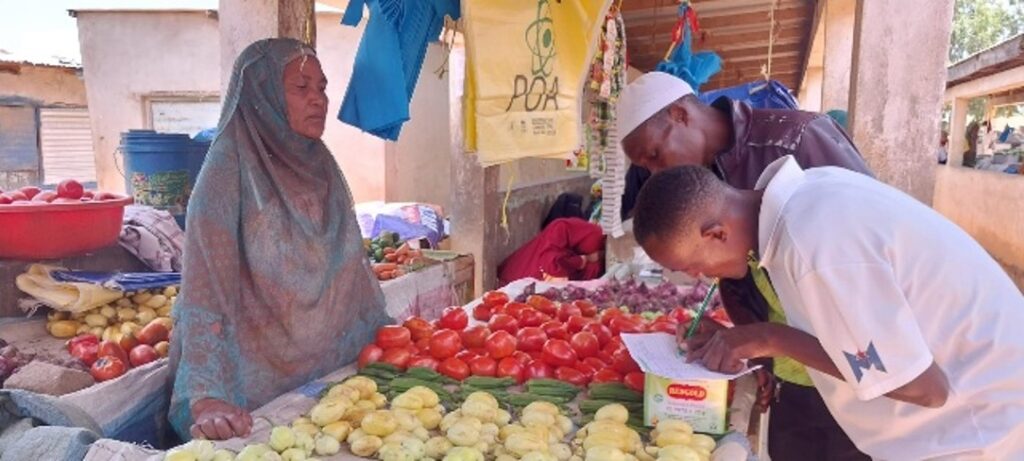
This project is Phase 2 of the “Project for Strengthening DADP Planning and Implementation Capacity through Use of SHEP Approach in Tanzania,” which piloted SHEP (Smallholder Empowerment and Promotion) in Tanzania for approximately six years from 2019 to 2024. In Phase 1, the horticulture income of smallholders in the 12 target districts increased by 45% to 69%, demonstrating the effectiveness of “agricultural production as a business based on market survey” in the country. Phase 2 supports the Tanzanian government’s activities to build the foundation for expanding SHEP as a regular extension service to all districts across the country. The project aims for “normalization” of SHEP as an extension service by the government even after the end of this project.
Africa remains a region facing serious challenges regarding chronic malnutrition, particularly anemia among women and stunting among children. In partnership with AUDA-NEPAD, JICA launched the Initiative for Food and Nutrition Security in Africa (IFNA) to support multi-sectoral efforts and strategy development for improving nutrition, under the ownership of national governments. Specific activities have included supporting the formulation of the IFNA Country Strategy for Action (ICSA), introducing the “Nutrient-focused Food Access Improvement Approach” (NFA)—which promotes agriculture and food production with a focus on necessary nutrients—and conducting training (the Knowledge Co-Creation Program) for government officials.
This study collaborated with national counterparts, the IFNA Secretariat, and government officials who had previously participated in the Knowledge Co-Creation Program to support the implementation of eight pilot projects across seven countries aimed at improving nutrition through food-based interventions (such as nutrition awareness and education, kitchen gardening, aquaculture, and cooking demonstrations). Additionally, the study developed and field-tested the NFA app, reviewed JICA’s IFNA-related projects, and produced promotional videos. By synthesizing the results, challenges, and lessons learned regarding the NFA and IFNA’s multi-sectoral approach across these initiatives, the study compiled recommendations for the future of food-based nutrition improvement projects.